
Do All Wisdom Teeth Need to Be Removed?
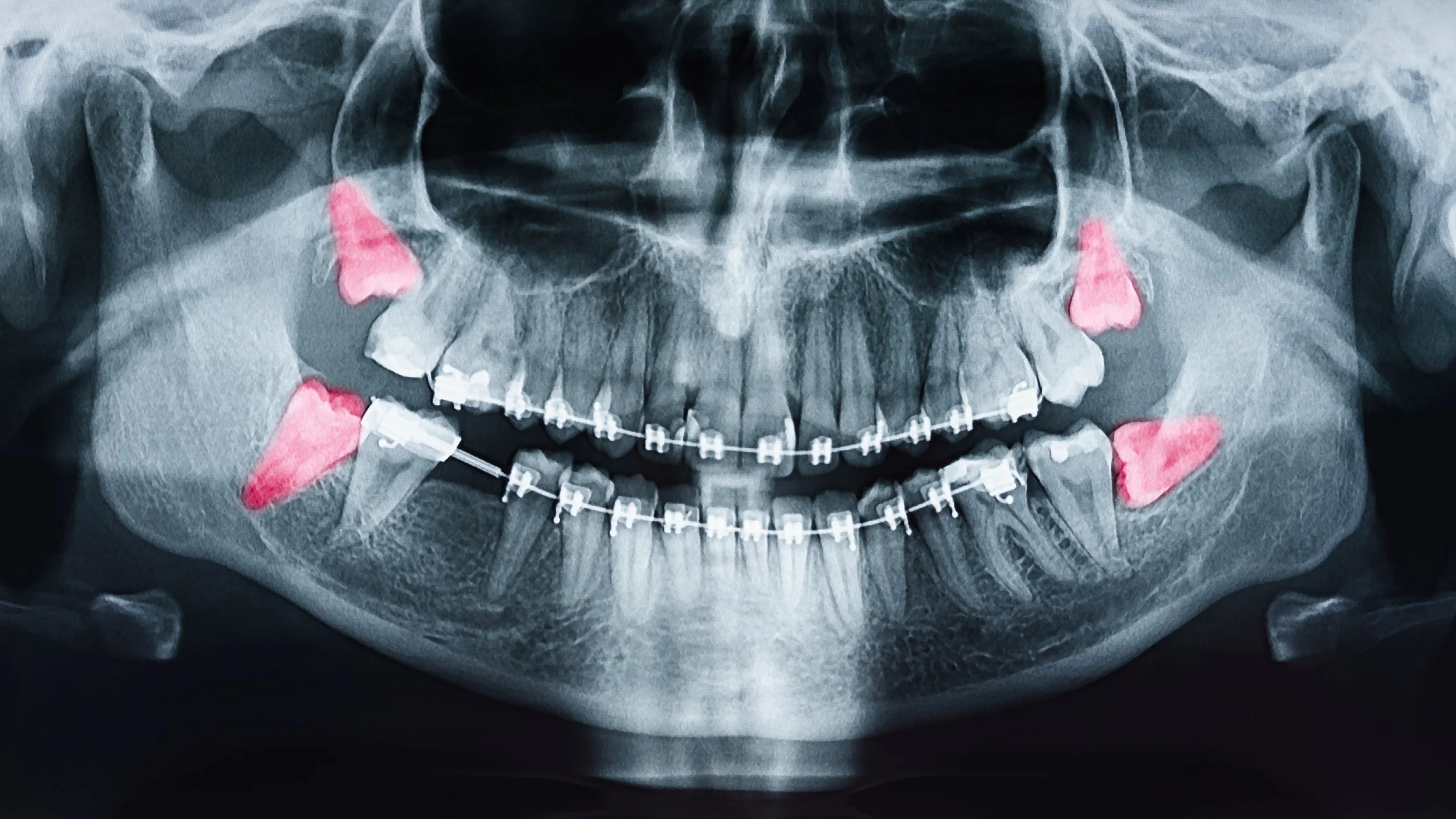
Although wisdom teeth are commonly removed, not all wisdom teeth need to be taken out. Extraction is only necessary if they are causing, or are likely to cause, oral health problems. Using X-rays and routine exams, dentists can monitor wisdom teeth, evaluate their position, and determine whether removal is the best option.
When Wisdom Teeth Are Removed
Your dentist may recommend wisdom tooth removal in the following situations:
Pain: Persistent or severe discomfort is often a sign that a wisdom tooth needs to be removed.
Impaction: Wisdom teeth that are trapped under the gum or jawbone can cause pain, swelling, or infection.
Infection: Partially erupted wisdom teeth can allow bacteria to collect under the gums, causing infection.
Overcrowding: Wisdom teeth can push against neighboring teeth, leading to crowding or bite problems.
Damage to nearby teeth: Pressure from wisdom teeth can cause shifting, decay, or damage to adjacent teeth.
Cysts: In some cases, wisdom teeth can develop cysts that damage the surrounding bone and tooth roots.
Why Wisdom Teeth Might Not Be Removed
Wisdom teeth can sometimes remain in place if they are:
Fully erupted and positioned correctly in the bite
Not crowding surrounding teeth
Easy to clean with regular brushing and flossing
Completely buried under the gum or bone without causing pain or infection
Additional Considerations
Regular dental visits allow your dentist to monitor wisdom teeth over time. Removal is often easier during the teenage years or early adulthood, when healing tends to be faster. In some cases, removing wisdom teeth before problems develop may be the best preventive option.
If you’re unsure whether your wisdom teeth need to be removed, the dental professionals at Perry Dental are here to help. Call our office today to schedule a consultation to discuss the best option for you.