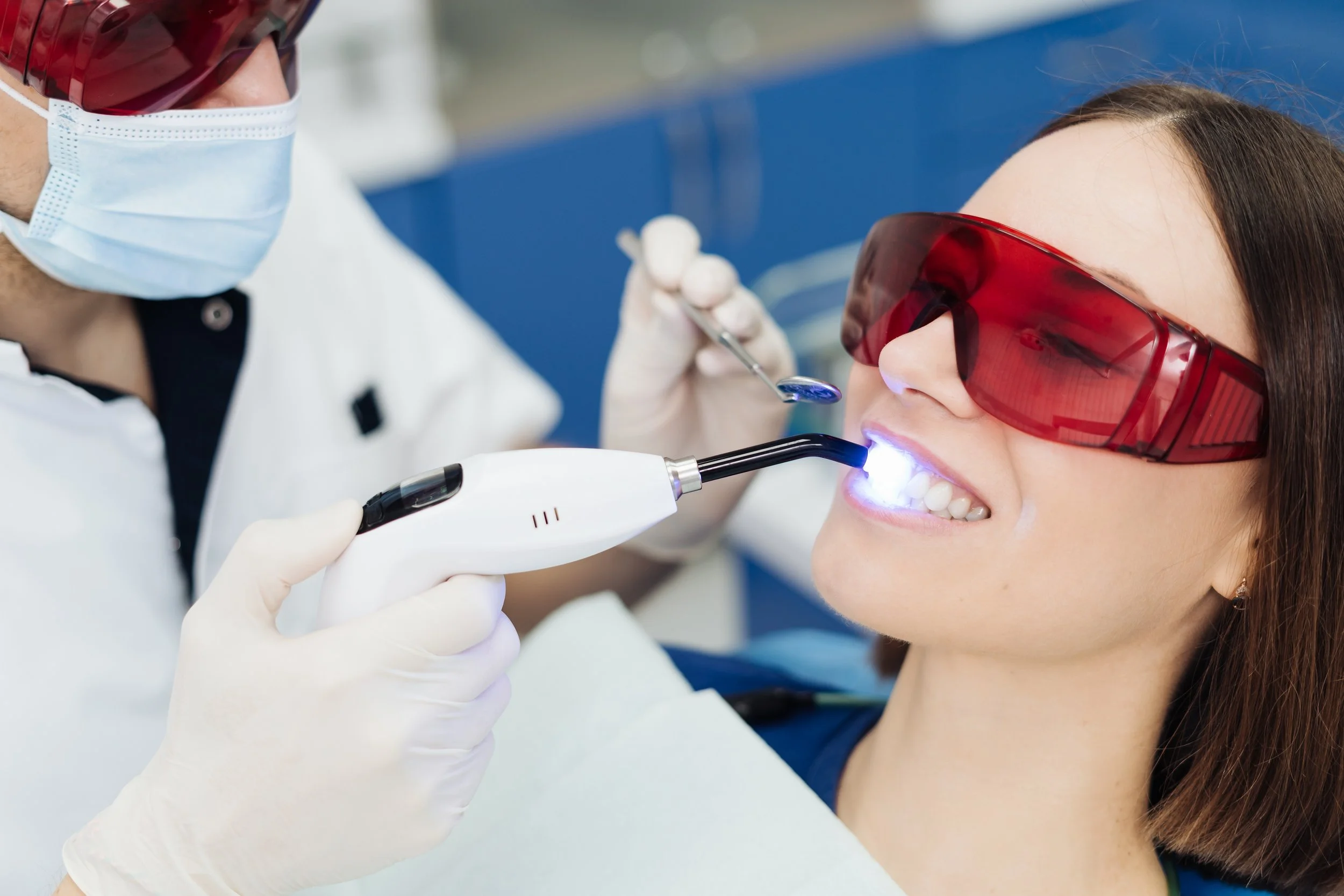
How Do I Know If I Need a Filling?
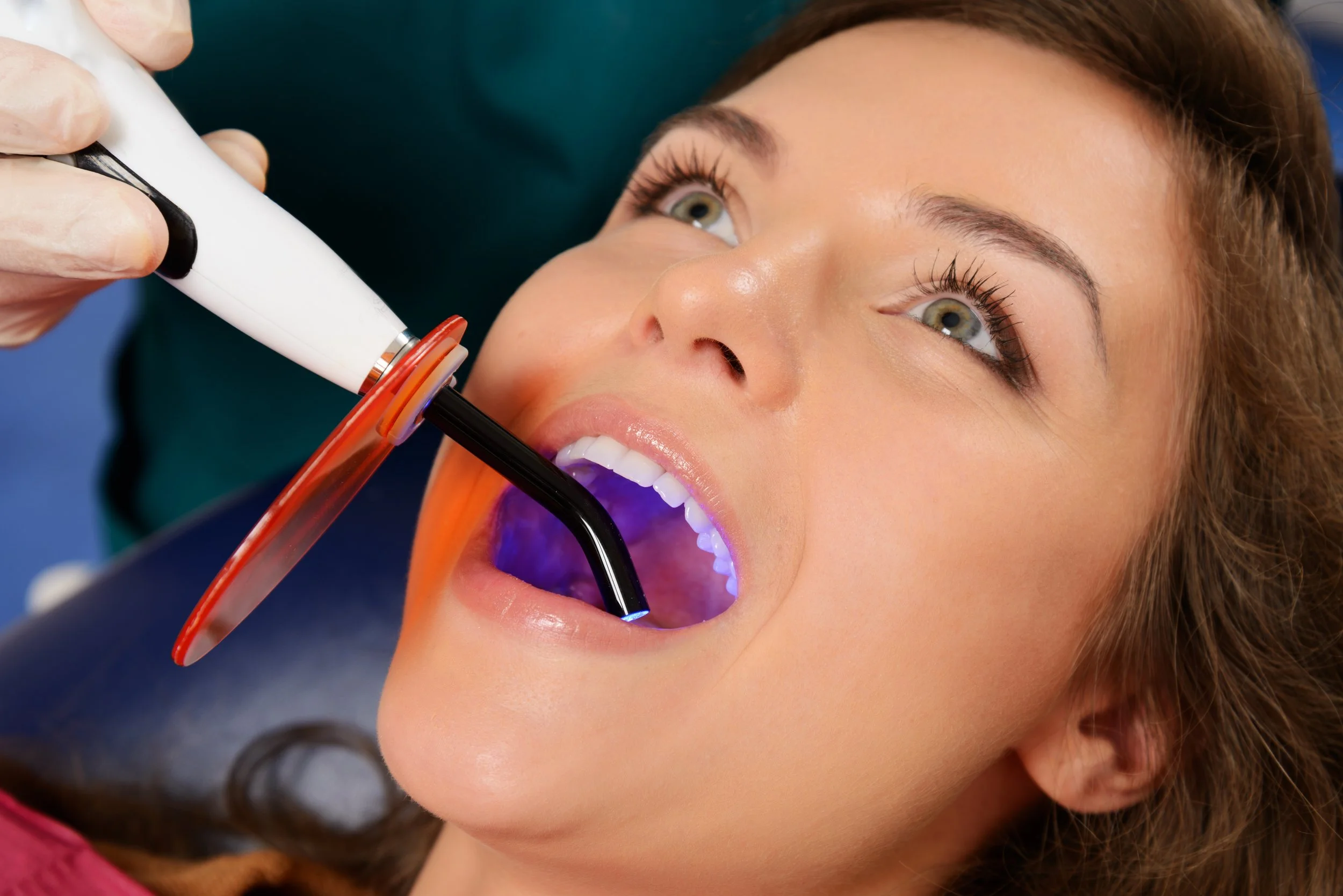
If you have consistent tooth pain, sensitivity, or visual changes in your teeth, it may mean you have a cavity that needs filling. Your dentist can examine your teeth and use dental X-rays or other diagnostic tools to determine whether tooth decay is present and whether a filling is the appropriate treatment.
Read More
When Should My Child Start Flossing Their Teeth?
Children should start flossing once they have two teeth that touch each other, which can happen as early as age two or three. Parents should help their children floss until they have the ability to effectively do it on their own.
Read More
How Often Should I Get a Dental Cleaning?
Dental professionals generally recommend that most adults and children get their teeth professionally cleaned every six months. Regular cleanings help remove plaque and tartar, prevent cavities and gum disease, and keep your smile healthy.
Read More
How Do I Know If I Need Braces?
Are you wondering if braces are right for you or your child? While only a dentist or orthodontist can determine if braces are necessary, several common signs may indicate that orthodontic treatment could help improve your smile, bite, and overall oral health.
Read More
How Long Does Teeth Whitening Last?
The results of teeth whitening can last anywhere from a few weeks to several years, depending on the whitening method used and your oral care habits. Professional in-office whitening treatments typically provide the longest-lasting results, while over-the-counter products tend to fade more quickly.
Read More
Can You Eat Normally With Veneers?
Yes, you can generally eat normally with veneers. However, it’s important to be mindful of what you eat and how you use your teeth to help prevent chipping, cracking, or damage. While veneers are strong and durable, they are still not designed to withstand excessive pressure or improper use.
Read More
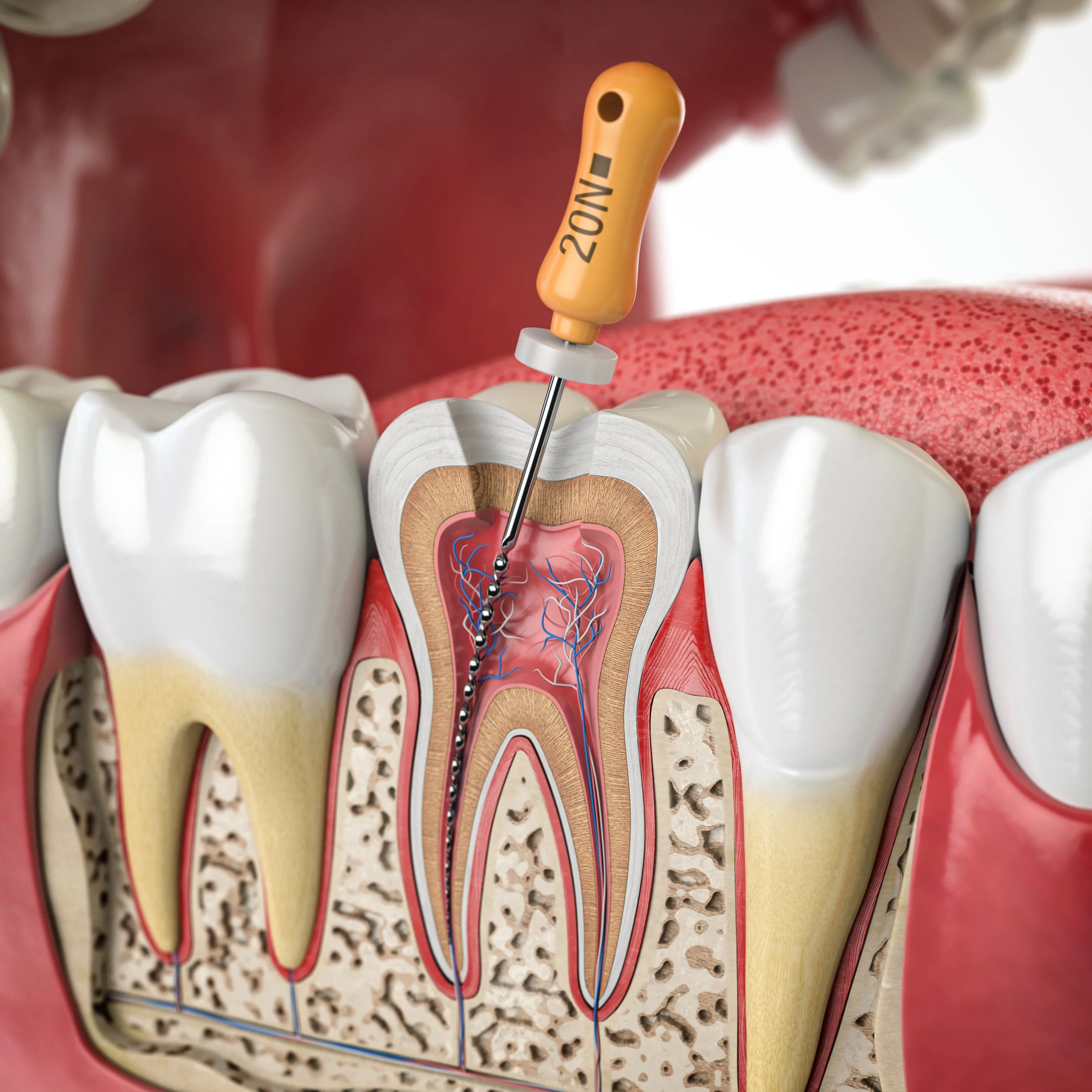
What to Expect During Root Canal Treatment.
Root canal treatment may sound intimidating, but understanding the process can help you feel more at ease. In reality, root canals are routine procedures designed to relieve pain and save the natural tooth.
Read More
Will Dentures Allow Me to Eat Normally?
Dentures are an excellent solution for restoring the appearance, function, and feel of natural teeth. With time and practice, most patients can return to eating many of their favorite foods. However, there may be a short adjustment period, and some minor dietary changes can help protect your dentures and ensure comfort.
Read More
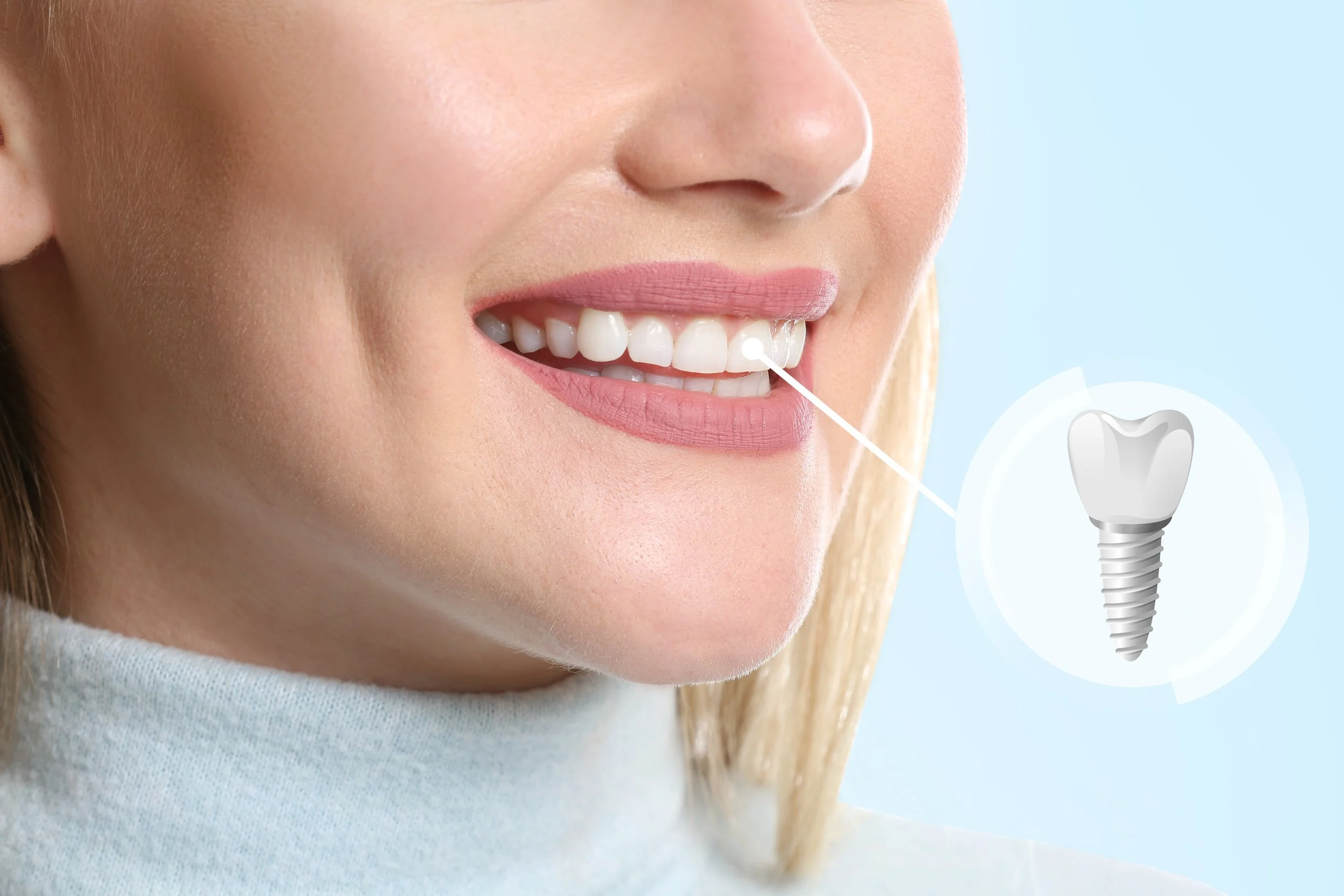
When would you need a dental implant?
Dental implants are a tooth replacement option that can last a lifetime with proper care. If you’re dealing with missing teeth, loose dentures, or a severely damaged tooth that cannot be saved, a dental implant may be the right solution. Implants help restore chewing ability, improve speech, and prevent jawbone loss caused by missing teeth.
Read More
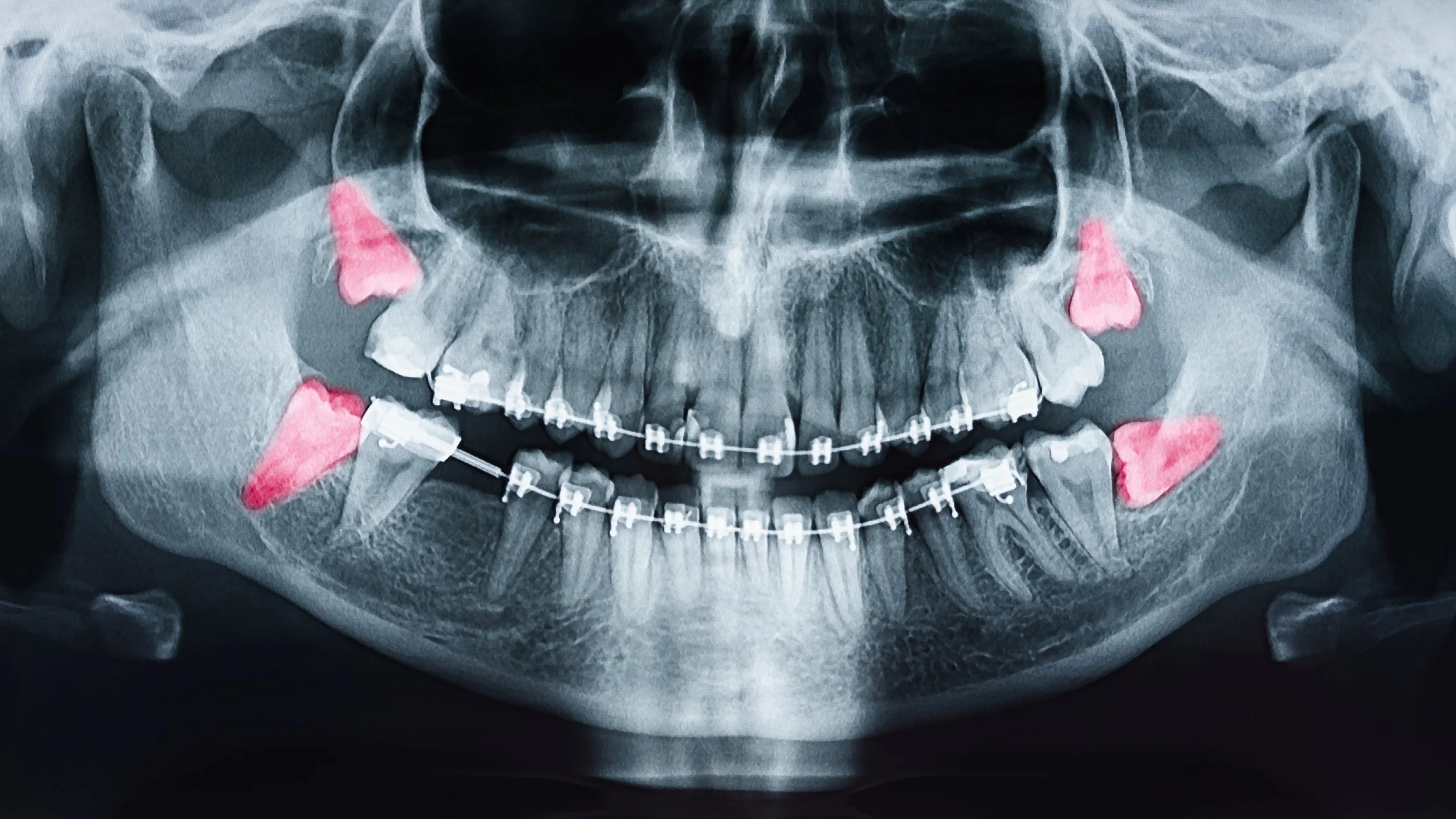
Do All Wisdom Teeth Need to Be Removed?
Although wisdom teeth are commonly removed, not all wisdom teeth need to be taken out. Extraction is only necessary if they are causing, or are likely to cause, oral health problems. Using X-rays and routine exams, dentists can monitor wisdom teeth, evaluate their position, and determine whether removal is the best option.
Read More
Dos and Don'ts After Getting a Dental Filling.
Protecting your dental fillings prevents the need for further dental intervention and saves you time and money. Following these simple guidelines will help your filling last longer and keep your smile healthy.
Read More
Why is pediatric dentistry important?
According to the CDC, about 40% of children experience tooth decay by the time they reach kindergarten. Pediatric dentistry plays a crucial role in preventing cavities and promoting lifelong oral health.
Read More
What is preventive dentistry?
Preventive dentistry focuses on protecting your teeth and gums before problems develop. By keeping up with regular care, you can save time, money, and avoid discomfort from future procedures.
Read More
What foods should I avoid with braces?
Braces are a great investment that can boost your confidence and oral health, which is why it is essential to avoid certain foods and habits during orthodontic treatment.
Read More
How does teeth whitening work?
Teeth discoloration or stains happen for many reasons–dark or acidic foods and drinks, smoking, aging, medications, or even trauma in the mouth. Sometimes, it is just genetic, and people are more prone to discolored teeth. Fortunately, professional teeth whitening is a safe and effective way to brighten your smile and boost your confidence.
Read More
What are the benefits of veneers?
Veneers are thin, natural-looking shells that cover the cosmetic imperfections of the original tooth, helping the teeth to appear more aesthetic and uniform. Dental veneers are one of the most common cosmetic dentistry treatments today, providing an impressive list of benefits.
Read More
Why might I need endodontic therapy?
Endodontic treatment–commonly known as a root canal– can be beneficial in many ways. It saves the natural tooth and eliminates bacteria from the root. It can fix inflammation or infection in the tooth’s pulp and reduce pain.
Read More
How do I maintain my dentures?
Dentures are a great investment; by taking proper care of them, they can last around 10 years. Read below to learn more about what steps you can take to maintain your dentures.
Read More
How long do dental implants last?
Dental implants are a durable, long-term solution for replacing missing teeth. Unlike bridges or dentures, implants fuse with the jawbone, making them a strong and reliable option. With proper care, they can last a lifetime.
Read More
How do I know if I need my wisdom teeth removed?
An estimated 53% of people in the United States have at least one wisdom tooth. While some may never need them removed, others experience pain, misalignment, or infection, making extraction necessary.
Read More